

Pricing Guide
Understanding Office Fitout Cost: Your 2026 Guide
Mar
How much does an office fitout cost in Australia?
If you are planning an office renovation or a new workspace in Australia, a practical planning range in 2026 is:
- Basic office fitout: around $500 to $800 per square metre
- Mid-range office fitout: around $800 to $1,400 per square metre
- Premium office fitout: around $1,500 to $3,000 per square metre
These ranges give you a fast way to sanity check your budget before you dive into quotes or detailed plans. If you know your approximate floor area, you can quickly sketch a working budget and decide which tier feels realistic for your business.
Quick way to estimate your project cost
Use this simple approach to get a ballpark figure for your project in under a minute.
- Confirm your total usable office area in square metres. Use the net usable area rather than the whole building title area, because common spaces outside your tenancy usually sit outside your fitout scope.
- Choose a fitout tier that aligns with your goals and expectations for quality.
- Multiply your area by the cost range for that tier to create a planning band.
For internal budgeting, many decision makers use the midpoint within each band as a working figure, then adjust once they receive detailed quotes. This keeps early forecasts practical without locking you into a number that is too optimistic.
What each budget tier generally includes
Those price bands are not just different numbers, they reflect different levels of finish, flexibility, and visual impact. Here is what most Australian businesses can expect at each level.
Basic fitout, around $500 to $800 per square metre
A basic office fitout focuses on functionality and compliance first. It suits cost conscious organisations, short term leases, and teams that care more about capacity and ergonomics than aesthetics.
Typical inclusions often sit in areas such as:
- Standard open plan layout, simple workstation clusters, and minimal built offices or meeting rooms
- Budget friendly commercial furniture, for example value desks, standard task chairs, basic storage units
- Standard finishes, such as basic commercial carpet tiles, standard paint colours, and simple blinds
- Efficient building services adjustments, such as practical lighting layouts, basic data points, and minimal HVAC changes
- Simple reception and breakout areas with functional but modest furniture and fittings
In this band, you focus on compliance, ergonomics, and capacity. You prioritise what the team needs to work safely and comfortably, and you keep custom joinery and decorative features to a minimum.
Mid-range fitout, around $800 to $1,400 per square metre
A mid-range office fitout strikes a balance between budget control and a workspace that supports brand presence and staff experience. Many growing Australian businesses sit in this category.
Typical inclusions commonly cover points such as:
- Better quality furniture with ergonomic features, more durable materials, and coordinated finishes, often sourced from specialist suppliers such as Richmond Office Furniture
- More built areas, such as enclosed meeting rooms, quiet rooms, and a more defined reception or client area
- Improved finishes, including higher quality carpet tiles or vinyl, feature paint walls, and more considered colour palettes
- Upgraded lighting, such as more efficient LED fixtures, better control, and improved visual comfort
- Stronger brand presence with basic signage, feature joinery in reception, and better coordinated décor
This tier suits businesses that want employees and clients to feel the difference when they walk through the door, without stepping into luxury territory.
Premium fitout, around $1,500 to $3,000 per square metre
A premium office fitout focuses on high impact design, superior materials, and a tailored experience for staff and visitors. It suits businesses that see the office as a key brand asset and are ready to invest in detail.
Typical inclusions often extend to:
- Extensive custom joinery and bespoke furniture, tailored to the space and the way your team works
- High end finishes such as premium flooring options, acoustic treatments, feature ceilings, and detailed wall finishes
- Advanced technology integration for meeting rooms, collaboration spaces, and hybrid working
- Premium lighting design that balances task, ambient, and feature lighting for both function and impact
- Strong brand integration through signage, graphics, and curated materials that align with your identity
In this band, you aim for a space that does more than house people. You are creating an environment that supports attraction and retention of talent, high profile client meetings, and a clear expression of brand values.
How to choose the right band for your business
When you match a cost band to your office, use three simple filters.
- Business stage and lease term. If you are testing a new market or working with a short lease, a basic or low mid-range fitout can make more sense. If you are consolidating into a long term home, it can be worth stepping into higher quality finishes that will last.
- Client facing expectations. If clients and stakeholders visit regularly, you may want mid-range or premium touches in reception, meeting rooms, and collaboration zones, even if the back office remains more modest.
- Team needs and work style. If your work relies on focus, collaboration, or specialised equipment, direct more of your budget to acoustic performance, ergonomic furniture, and tailored layouts, even within a lower price band.
If you want to dig deeper into how furniture choices affect both cost and productivity, you can pair this fitout cost planning with resources such as the office furniture budget guide for Australian businesses. This helps you separate the fitout number into clear furniture and construction allocations.
Use these figures as a starting point, not the final word
The ranges above give you a reliable starting point for planning in 2026. Your final cost will still depend on factors such as building condition, services upgrades, joinery complexity, and furniture specification. In the next sections of this guide, we will break those variables down in detail so you can move from rough ranges to a confident, line by line budget for your office fitout in Australia.
Benefits of Proper Office Fitout Planning
Once you have a rough cost per square metre, the next step is to plan your fitout properly. Careful planning is not about making the office look nice. It is about making sure every dollar you spend in your Australian workspace works hard for productivity, culture, and long term value.
Think of planning as the part of the project that protects your budget.
Without it, costs drift, layouts do not support the way your team works, and you can end up paying twice to fix issues that could have been solved on paper.
1. Stronger employee productivity and wellbeing
Most fitout budgets are really people budgets. You are investing in an environment that supports your team, every hour they are in the office.
Effective planning lets you align the space with how your people actually work, not how an old layout was arranged. That includes:
- Ergonomic workstations with the right mix of desk sizes, chair quality, and monitor setups
- Clear zoning between focus areas, collaboration zones, and social spaces to reduce constant noise and interruptions
- Logical circulation paths so staff are not walking through meeting rooms or quiet areas to reach basic facilities
- Thoughtful break areas so people have a place to reset, not just somewhere to stand with a coffee
Well planned fitouts also help you introduce or upgrade ergonomic furniture in a structured way. For example, if you are considering sit stand desks or higher quality task chairs, you can use planning to prioritise the teams that will benefit most, then roll out across the rest of the office in stages. If you want to dive deeper into furniture choices that support wellbeing, resources such as guides on office ergonomics can help you build that into your scope.
A good fitout plan treats staff comfort as a design requirement, not a nice to have.
2. Better space utilisation and collaboration
Commercial leases in Australia are a significant fixed cost. If your space is poorly planned, you pay for square metres that do not contribute to performance.
Structured planning lets you:
- Match workstation counts to real headcount including hybrid staff, part timers, and visitors, so you avoid underused rows of desks
- Right size meeting rooms, with a clear mix of small huddle spaces, medium rooms, and only the large rooms you genuinely need
- Use flexible furniture such as movable tables, modular lounges, and stackable chairs so spaces can do double duty across the week
- Plan storage properly, which prevents filing cabinets and boxes from swallowing prime floor area
When the layout is clear and intentional, collaboration improves. Teams can move between quiet work, quick stand ups, and longer workshops without fighting the space. That flow comes from planning adjacency, noise control, and room functions in one big picture, not as a series of isolated purchases.
3. Strong support for company culture and brand
Your office is often the first physical touchpoint for clients and new staff, and a daily reminder of what your company values. Poor planning leaves that to chance.
Effective fitout planning allows you to design for culture from the start. For example, you can:
- Decide how visible leaders should be, and reflect that in office placement and openness
- Shape how and where people interact, through the size and location of breakout areas and shared tables
- Integrate brand colours and materials in a consistent, restrained way rather than scattered last minute décor
- Define client facing zones that clearly communicate quality and professionalism the moment someone steps out of the lift
Culture is not created by a single feature wall. It comes from the daily experience of how easy it is to collaborate, how private conversations feel, and how respected staff feel in the space. Careful planning ties those soft factors to very concrete fitout decisions.
4. Future proofing for hybrid and flexible working
Australian workplaces are continuing to shift toward hybrid patterns. If you plan your fitout as if everyone is at a fixed desk every day, you lock in a layout that will age quickly.
Good planning treats flexibility as a core design principle. That often includes:
- Planning for desk sharing or hot desking where it makes sense, with clear storage and technology support for people who move between locations
- Allocating a higher percentage of shared spaces such as focus rooms, project rooms, and touchdown areas instead of rows of permanent desks
- Integrating technology that supports video calls, hybrid meetings, and secure remote access without clutter and retrofit cables
- Using modular furniture systems so you can reconfigure areas as teams grow, shrink, or change function
Future proofing does not mean guessing the next trend. It means planning for layouts and furniture that you can adjust with minimal disruption and lower cost, instead of needing a fresh strip out when working styles evolve.
5. Stronger return on investment through cost efficient decisions
A well planned fitout does two things at once. It helps you avoid waste, and it makes sure the money you do spend lands where it matters most.
From a cost control perspective, planning lets you:
- Sequence works logically, so trades are not redoing work or working around last minute changes
- Lock in specifications early to reduce variations, rush orders, and premium delivery costs
- Compare options on a like for like basis, because you have documented what you want rather than asking for vague quotes
- Stage upgrades, so you can complete critical works now and schedule nice to have features into future budget cycles
From a value perspective, planning helps you decide where a higher quality item will save money over its lifecycle. For example, spending more on ergonomic chairs now can reduce the need to replace them as often and can support staff comfort for years. If you want practical criteria for evaluating ergonomic features, you can refer to guides such as ergonomic furniture benefits for Australian workplaces and fold those requirements into your fitout brief.
Good planning does not always mean spending more. It often means spending the same budget in a smarter way.
6. Lower disruption and smoother delivery
Every office fitout comes with some level of disruption. Careful planning reduces how painful that period feels for your team and your clients.
When you invest time upfront, you can:
- Stage works around business cycles, such as quieter periods in your operational calendar
- Define temporary arrangements for staff while specific zones are under construction
- Plan deliveries and installations to avoid peak trading hours or critical deadlines
- Communicate timelines clearly with staff, so they know what to expect and when to expect it
This organisation comes directly from a solid planning phase. It is much easier to manage downtime when layouts, specifications, and schedules are agreed long before the first wall is moved.
Turning planning into a structured process
To get these benefits, treat planning as its own project phase, with clear outputs you can use to brief designers, builders, and furniture suppliers. As a minimum, aim to create:
- A space needs analysis, listing team numbers, workstyles, and special requirements such as equipment or storage
- A preliminary layout plan, even if it is a rough block diagram that shows zones and adjacencies
- A prioritised inclusions list, split into must have, should have, and nice to have items
- A realistic budget band, aligned with the basic, mid range, or premium tiers outlined earlier
When you have those four elements, every decision in your fitout becomes clearer. You can see where to invest, where to hold back, and how each choice supports productivity, culture, and long term value for your Australian office.
Detailed Office Fitout Cost Breakdown by Category
Once you have a per square metre budget band, the next smart step is to break that number into clear categories. This helps you see where the money is going, compare quotes on a like for like basis, and make deliberate trade offs between finish, performance, and cost.
At a high level, most Australian office fitouts are built from the same core cost categories.
- Furniture
- Partitions and walls
- Flooring
- Lighting
- Services, such as data, HVAC, and fire
- Decoration and branding
The balance between these categories will shift depending on whether you are aiming for a basic, mid range, or premium result. The price bands below sit within typical Australian market ranges in 2026 and give you a practical reference when you are reviewing quotes.
1. Furniture, around $1,000 to $2,000 per person
Furniture is one of the most visible parts of your fitout and one of the easiest levers to adjust across basic, mid range, and premium tiers. The guide range per person usually covers:
- Workstations or desks in the chosen size and configuration
- Task chairs with an appropriate level of ergonomic adjustment
- Personal storage, such as mobile pedestals or lockers
- Shared pieces split across staff numbers, such as meeting tables, collaboration settings, and breakout seating
How that per person number looks in each tier:
- Basic fitout. You focus on value oriented desks, simple workstation frames, and entry level ergonomic chairs. Storage is usually standard metal or laminate units with minimal customisation.
- Mid range fitout. You step up into more ergonomic task chairs, better quality finishes, and more flexible workstation systems that can grow or reconfigure. Meeting chairs, boardroom tables, and breakout lounges usually have more design intent.
- Premium fitout. You see a mix of high performance task seating, sit stand workstations, custom meeting tables, and tailored joinery. Furniture often aligns closely with brand colours and material palettes.
If you want a deeper look at how chair quality affects comfort and productivity, guides such as how to choose ergonomic office chairs can help you decide where to sit within that $1,000 to $2,000 band for your team.
2. Partitions and walls, around $200 to $600 per square metre
Partitions define how your office works in practice. They affect privacy, noise, and visual openness. The main cost driver is the type of wall you choose, and how much acoustic performance and glazing you need.
Within the typical $200 to $600 per square metre range, you will often be looking at options such as:
- Plasterboard partitions, usually at the lower to mid part of the range depending on height, acoustic rating, and finish quality
- Glazed partitions, generally sitting toward the higher end of the range, especially if they include framed doors, acoustic glass, or special finishes
- Operable walls or sliding systems, which can sit in the higher bracket and are usually seen in mid range or premium fitouts
How this plays out by tier:
- Basic fitout. You minimise the number of enclosed spaces and use more simple plasterboard, often with standard paint and practical heights.
- Mid range fitout. You introduce more glazed elements in meeting rooms and offices, which improves light spread and visual connection. Acoustic performance usually improves as well.
- Premium fitout. You see higher specification glazing, full height glass fronts, feature joinery walls, and possibly operable walls to reconfigure spaces.
If your budget is tight, one of the fastest ways to reduce cost is to simplify partitions by reducing room count or swapping some glass to plasterboard, while still maintaining key sightlines and privacy.
3. Flooring, around $50 to $250 per square metre
Flooring is a major visual element and a long term wear item. Choices include:
- Carpet tiles, usually at the lower to mid end of the $50 to $250 range, and common in open plan office zones
- Resilient flooring, such as vinyl or similar, in the mid bracket depending on quality and pattern
- Timber, engineered timber, or stone, often in the upper part of the range, typically used in reception or client facing areas in mid range and premium fitouts
Within each tier:
- Basic fitout. You typically see standard commercial carpet tiles in most zones and simple resilient flooring in wet areas or kitchens.
- Mid range fitout. You may use higher quality carpet tile ranges, introduce textures or patterns, and specify more robust resilient finishes in heavy traffic areas.
- Premium fitout. You often see a mix of premium carpet, engineered timber, or stone in reception and feature zones, along with detailed transitions and custom rugs.
To keep spend under control, treat feature flooring as a targeted investment in key areas rather than something that runs through the whole office.
4. Lighting, around $100 to $300 per square metre
Lighting influences comfort, compliance, and atmosphere. Within the $100 to $300 per square metre range, you are accounting for:
- Standard LED fittings such as linear lights, panels, or downlights for general illumination
- Task lighting, where needed in specific work zones
- Feature and ambient lighting in reception, collaboration spaces, or client areas
- Controls such as sensors, dimmers, and simple automation
Tier by tier, lighting typically looks like this:
- Basic fitout. You focus on practical LED lighting, meeting minimum compliance and comfort levels at the lower end of the range.
- Mid range fitout. You refine layouts, add better quality fittings, and sometimes introduce simple feature lights in priority areas.
- Premium fitout. You usually see layered lighting, with distinct task, ambient, and feature systems, more advanced controls, and higher specification fittings.
When reviewing quotes, pay attention to whether fittings are being reused or replaced and whether the lighting design allows for future changes in layout without complete rewiring.
5. Services, around $200 to $400 per square metre
Services are less visible but critical for functionality. In most office fitouts this category includes:
- Data and power. New data cabling, power points, floor boxes, and any server or communications room works.
- HVAC. Adjustments to air conditioning and ventilation so supply and return suit the new layout.
- Fire services. Relocation or addition of sprinklers, detectors, and emergency lighting to meet building and code requirements.
The $200 to $400 per square metre range reflects the scope of change, not just the quality tier. However, your budget level still influences decisions such as:
- Basic fitout. You try to work largely with the existing services locations and minimise re routes. Data and power layouts are practical but simple.
- Mid range fitout. You invest more in structured cabling, thoughtful power distribution to support flexible layouts, and some upgrades to HVAC zoning.
- Premium fitout. You may see more extensive services changes, dedicated zones, enhanced audio visual integration, and higher spec comms rooms.
To manage this cost, involve services consultants or experienced contractors early. It is usually cheaper to tweak layouts on paper than to move ducts, diffusers, or cabling paths late in the project.
6. Decoration and branding, variable within each tier
Decoration sits across a number of sub items such as:
-
- Paint and wall finishes
- Signage and graphics <li
Soft furnishings such as cushions, rugs, and acoustic panels
- Plants and styling
</li
This category does not always show as a single line in quotes, so it is worth asking suppliers to clarify what they have allowed for in each area.
By fitout tier, decoration usually behaves like this:
- Basic fitout. Mostly standard paint colours, minimal signage, and limited soft furnishings. Styling is kept simple and utilitarian.
- Mid range fitout. Strategic feature walls, some branded graphics, more considered colour schemes, and a modest allocation for plants and soft furnishings.
- Premium fitout. Coordinated artwork, signage, graphics, and styling, with more extensive use of acoustic panels, custom finishes, and curated décor.
Decoration is one of the easiest categories to scale up or down over time. If you are watching cash flow, you can prioritise painting and basic signage during the main fitout, then plan a second phase for additional artwork or styling once the team has settled in.
How to use this breakdown when you brief suppliers
To keep your Australian office fitout on track, use this category list as a checklist when you talk to designers, builders, and furniture partners.
- Confirm that each quote covers all six categories so you are not surprised by missing items later.
- Ask which allowances reflect a basic, mid range, or premium specification in each category.
- Decide in advance where you want to invest more, for example furniture and lighting, and where a basic approach is acceptable.
When you treat your fitout as a series of clear categories, it becomes much easier to protect the overall budget and still create a workspace that feels aligned with your brand and supports your team day to day.
Budget Tiers Explained: Basic, Mid-Range, And Premium Fitouts In Australia
Once you know the per square metre bands for Australian office fitouts, the next step is to understand what each budget tier actually buys you. This is what helps you avoid overpaying for items that do not matter to your business, and underinvesting in areas that staff and clients notice every day.
Think of the three tiers as different levels of finish, flexibility, and brand impact.
- Basic fitout, around $500 to $800 per square metre
- Mid-range fitout, around $800 to $1,400 per square metre
- Premium fitout, around $1,500 to $3,000 per square metre
The figures above are planning ranges, not fixed prices. Your actual position inside each band will depend on building condition, services, and how much custom work you choose.
Basic Office Fitout, Around $500 To $800 Per Square Metre
A basic fitout is about getting a safe, compliant, functional office at the lowest realistic cost. It suits tenants on shorter leases, businesses testing a new location, and teams that are more focused on capacity and ergonomics than visual impact.
What you typically get at basic level
- Layout and partitions. Mostly open plan with a simple grid of workstations. A small number of enclosed rooms for meeting or quiet work. Partitions are usually standard plasterboard with basic paint, limited glass, and modest heights.
- Furniture. Value focused desks and workstations, reliable but entry level ergonomic chairs, standard storage units, and simple meeting tables. You prioritise function and compliance over design details. If you want to choose chairs carefully within a modest budget, resources such as bulk office furniture guides can help you stretch your spend.
- Flooring. Standard commercial carpet tiles in main work areas, simple resilient flooring in kitchen and wet zones. Few feature transitions or patterns.
- Lighting and services. Efficient but basic LED lighting layouts, minimal relocations of power, data, and HVAC. Wherever possible, you work with existing service positions.
- Decoration and branding. Mostly neutral paint, minimal signage, and limited soft furnishings. Styling is practical and understated.
Where a basic fitout delivers value
- You maximise functional capacity within a modest spend.
- You reduce risk if the lease is short or the headcount may change quickly.
- You can redirect saved capital into hiring, technology, or other priorities.
What you usually give up
- Strong visual expression of the brand.
- Extensive acoustic treatments, feature lighting, and custom joinery.
- High impact reception or client areas.
Good rule of thumb. Choose a basic tier when the office is mainly a functional base for work, not a key part of your brand strategy.
Mid-Range Office Fitout, Around $800 To $1,400 Per Square Metre
A mid-range fitout is the sweet spot for many Australian businesses. It balances cost control with a workplace that feels considered, supports culture, and leaves a positive impression on staff and visitors.
What you typically get at mid-range level
- Layout and partitions. A thoughtful mix of open plan, enclosed offices, and a variety of meeting spaces. More use of glazed partitions which improves light, visibility, and a sense of openness. Better acoustic performance than basic fitouts.
- Furniture. A step up in ergonomics, materials, and visual consistency. Workstations and storage are more configurable, chairs offer stronger support, and meeting or breakout pieces are chosen with more intent. You are likely to consider options such as height adjustable desks for key staff or teams.
- Flooring. Higher quality carpet tiles, sometimes with patterns or zoning. More durable resilient finishes in high traffic areas. Occasional feature flooring in reception, kitchens, or collaboration spaces.
- Lighting and services. Improved lighting layouts that respond to the actual tasks in each zone. More attention to colour temperature, glare control, and switching. Data and power are planned for flexibility, not just today’s desk layout.
- Decoration and branding. Feature walls, basic signage, and a coherent colour palette. Some investment in acoustic panels, plants, and soft furnishings to lift comfort and visual quality.
Where a mid-range fitout delivers value
- Your office regularly hosts clients, partners, or recruits.
- You want your workspace to support retention and wellbeing, not just occupancy.
- You have a medium to long term lease and want durability from materials and furniture.
What you usually give up
- Complex custom joinery in every zone. Instead, you choose a few focus areas.
- Top tier imported finishes or highly specialised technology in every room.
- Heavy structural changes to services or base building elements.
Good rule of thumb. Choose a mid-range tier when you want a professional, comfortable, brand aligned office that reflects a stable or growing business, without moving into luxury territory.
Premium Office Fitout, Around $1,500 To $3,000 Per Square Metre
A premium fitout is for businesses that treat their office as a flagship. The space is a key brand asset, a recruitment tool, and a venue for high level client interactions.
What you typically get at premium level
- Layout and partitions. Highly tailored layouts that respond to specific workflows, adjacencies, and privacy needs. Extensive use of glass fronts, acoustic systems, and specialist meeting or project rooms. Operable walls or flexible zones may feature in multi use areas.
- Furniture. A mix of premium ergonomic task seating, sit stand workstations, high specification meeting furniture, and substantial custom joinery tailored to the space. Materials and colours are curated to align closely with brand identity.
- Flooring. A layered approach that can include premium carpet ranges, engineered timber, stone, or other feature surfaces in key zones. Edges, trims, and transitions receive detailed attention.
- Lighting and technology. Layered lighting plans that combine task, ambient, and feature lighting. Refined control systems, integrated audio visual solutions, and strong support for hybrid work in meeting rooms and collaboration spaces.
- Decoration and branding. Bespoke signage, integrated graphics, brand elements built into joinery, and curated artwork. Acoustic design, colour, and styling are treated as core components of the fitout, not afterthoughts.
Where a premium fitout delivers value
- You host high profile client meetings, board sessions, or investor presentations.
- Your office is central to employer branding and attraction of scarce talent.
- You have a long lease term and want a high performance environment that will age well.
What you usually give up
- Short payback periods on every line item. Some investments are about perception and long term positioning, not just immediate efficiency.
- The ability to make large layout changes cheaply without careful planning, because more of the environment is built in and custom.
Good rule of thumb. Choose a premium tier when the office is a front line expression of your brand and you are ready to treat it as a multi year strategic asset, not just a place to house desks.
How To Decide Which Tier Fits Your Situation
Most Australian businesses do not sit neatly in one category. They borrow elements across tiers. For practical budgeting, use this three step framework.
- Pick one tier as your baseline. Choose basic, mid-range, or premium as your starting point based on lease length, client expectations, and financial capacity. Use the corresponding per square metre range as your headline budget.
- Nominate 2 or 3 priority zones. Identify the areas where you want to “trade up” a tier. For many businesses this is reception, main meeting rooms, and key collaboration spaces. For those zones, you might apply mid-range or premium specifications even if the rest of the office sits at a basic or mid-range level.
- Set boundaries for upgrades. Before you review detailed designs, decide where you will hold the line. For example, you might allow some premium finishes in client zones but commit to staying mid-range in back of house spaces and services.
This approach gives you control. You choose the tier that matches your reality, then apply selective upgrades rather than watching costs drift upward across every line item.
As you move into detailed design and quoting, keep checking new ideas against the tier you have chosen. If a choice belongs in a higher tier, either justify it with a clear business benefit, or park it for a later phase when budget allows.
Cost-Saving Tips For Office Fitouts In Australia
A well planned office fitout in Australia does not have to blow your budget. The goal is to protect your spend, not just cut costs. You want a space that works, looks professional, and supports your team, without paying for features that add little value to your business.
Use the tactics below to reduce cost without sacrificing quality or functionality.
1. Plan early and in detail
Most budget blowouts start in the planning phase. The less clarity you have at the beginning, the more you will pay in variations, rush fees, and rework.
To keep control, commit to a simple planning checklist before you seek quotes.
- Define your scope clearly. List every area that is in, and every area that is out. Include workstations, meeting rooms, kitchens, storage, and reception. Ambiguous scope leads to surprise costs.
- Set your target tier. Decide early whether you are aiming for a basic, mid range, or premium fitout. This keeps expectations aligned when design ideas start flowing.
- Create a needs based brief. Focus on what the team needs to do in the space, not just what you want it to look like. This helps you avoid paying for features that look impressive but do not support actual workflows.
- Lock in decisions in writing. Agree on layouts, finishes, and furniture selections before works start. Frequent changes on site are one of the fastest ways to burn cash.
A detailed brief might feel slow at the start, but it usually shortens the entire project and saves a significant amount in unplanned extras.
2. Separate needs from wants
If you treat every idea as a must have, your fitout will get expensive quickly. A simple prioritisation framework keeps emotion out of the decisions.
Create three lists.
- Must have. Items that are required for safety, compliance, and basic function. For example, compliant lighting, adequate power and data, ergonomic workstations, and essential meeting spaces.
- Should have. Items that strongly support productivity, culture, or brand perception, but could be scaled back if required. For example, acoustic treatments, higher quality chairs, and feature flooring in reception.
- Nice to have. Items that are desirable but not necessary to operate. For example, extra styling, high cost decorative finishes, or low use specialty rooms.
Use this hierarchy when quotes come back above budget. Remove or stage the nice to have items first, trim or simplify the should have list second, and protect the must haves as non negotiable.
If you are unsure which ergonomic features genuinely matter for staff comfort, resources such as ergonomic feature checklists can help you decide where spending a little more is worth it.
3. Use modular and prefabricated furniture
Custom built joinery can look great, but it is often one of the highest cost items in a fitout. Modular systems and prefabricated furniture deliver function at a lower price and with shorter lead times.
Cost conscious approaches include:
- Workstation systems that share legs, frames, and cable management across multiple desks. This reduces material and labour costs compared to individual standalone desks.
- Modular storage such as standardised cupboards, lockers, and shelves that can be reconfigured when teams change. A single system used across the office is almost always cheaper than a patchwork of custom pieces.
- Standard meeting and boardroom tables in common sizes, instead of fully bespoke tables. You can still choose finishes that align with your brand and combine them with quality seating such as the ranges in meeting chair guides.
- Modular lounges and soft seating in breakout areas that can be added to over time instead of permanent built in benches everywhere.
This approach keeps your initial spend down and gives you more flexibility if your layout changes in the next few years.
4. Combine rooms and simplify partitions
Every enclosed room triggers a chain of costs. Partitions, doors, hardware, services adjustments, and sometimes fire and acoustic upgrades all add up. One of the most effective cost levers is the number and complexity of rooms you build.
Use these principles.
- Combine similar functions side by side. For example, group small meeting rooms or focus rooms together, instead of scattering them across the floor. This reduces runs of walls and makes services adjustments more efficient.
- Right size meeting rooms. Oversized rooms that are rarely full are expensive. Aim for a mix of smaller rooms for [insert small group size], medium rooms for [insert medium group size], and only a few larger spaces that are booked regularly.
- Swap some glass for plasterboard. Full height glass fronts are attractive, but they are more expensive per metre than plasterboard. If budget is tight, use glass strategically in client facing areas and rely on plasterboard in back of house spaces where privacy matters more than views.
- Use furniture to define zones in open plan areas instead of building extra half height walls. Storage units, planter boxes, and screens can create separation at a fraction of the cost.
A leaner partition strategy can drop your fitout cost meaningfully while still giving you the rooms you genuinely need.
5. Leverage natural light and energy efficient systems
Good use of daylight and efficient services saves you money over the life of the fitout. It can also reduce the scale of new works during construction.
- Place enclosed spaces away from windows where possible, so open plan areas and collaboration zones benefit from natural light. This can reduce the need for high output artificial lighting during the day.
- Choose efficient LED fittings rather than cheaper but less efficient options. The upfront difference is often modest compared to the operational savings over [insert period].
- Use occupancy sensors and simple controls so lighting and air conditioning do not run in empty rooms. Even basic sensor systems can bring noticeable energy savings.
- Review existing services capacity before planning major upgrades. Sometimes a smart layout that works with existing ductwork, power, and data routes can avoid costly reconfiguration.
Energy efficiency is not just about being sustainable. It is a practical way to reduce operating expenses and protect your fitout investment over time.
6. Stage the fitout in clear phases
You do not have to complete every aspect of your fitout in one hit. A staged approach lets you protect cash flow and test the space before investing in extras.
A simple two phase structure works well for many Australian businesses.
- Phase 1, core operational fitout. Deliver everything required to move in and operate effectively. This usually includes compliant services, base flooring, essential partitions, standard lighting, workstations, and key meeting rooms.
- Phase 2, enhancements and upgrades. Once the team has settled in, you add or refine items such as feature lighting, decorative finishes, advanced audio visual gear, extra acoustic treatments, and additional breakout furnishings.
To make staging work, design with the future phases in mind. For example, plan cable routes and power locations so that adding a few extra screens, lights, or workpoints later does not require pulling the space apart again.
7. Standardise where you can and negotiate smartly
Consistency is a powerful cost saving tool. The more variety you introduce in finishes, colours, and furniture models, the more you pay in small increments that are easy to miss.
- Limit the number of finishes across joinery, worktops, and storage. A tight palette is usually cheaper and can still look deliberate and high quality.
- Standardise workstation sizes wherever practical. Special sizes often attract surcharges and extend lead times.
- Bundle orders with fewer suppliers. Consolidating more of your furniture with one partner can give you stronger pricing, better freight efficiency, and simpler warranty management.
- Negotiate using clear specifications. When you know exactly what you want, suppliers can price more accurately. Use the same specification set for each quote so you are comparing like for like instead of chasing the lowest price on mismatched offers.
Price is important, but do not chase the cheapest line item at the expense of reliability and service. A supplier that offers solid lead times, clear communication, and proper installation support can save you a lot of indirect cost and frustration.
8. Reuse selectively and upgrade strategically
Reusing every existing item can lock old problems into your new office, but replacing everything is often unnecessary. A selective approach gives you the best of both worlds.
Use this framework.
- Retain items that are in good condition, compatible with your new layout, and still meet ergonomic or brand needs. For example, quality storage units, some meeting tables, or certain task chairs.
- Refurbish pieces that have solid structure but tired finishes. This can apply to some worktops, storage fronts, or occasional seating where re laminating or reupholstering is cost effective.
- Replace items that are worn, non compliant, or do not support staff comfort. Cheap chairs and poor quality desks are common candidates. Investing in better seating, for instance, has a direct impact on everyday comfort.
When you combine targeted reuse with smart new purchases, you lower the upfront cost without ending up with a mismatched or dated looking office.
9. Align fitout decisions with your lease
Your lease term and make good obligations should shape how much you spend and where you spend it.
- Shorter leases. Focus on mobile furniture and minimal fixed construction. Avoid heavy customisation that you will have to remove at the end of the term.
- Longer leases. You can justify better quality finishes and more tailored solutions, because the cost is spread over more years of use.
- Check make good clauses. If you will need to strip the space back at the end of the lease, factor that future cost into your decisions now. Sometimes it is cheaper over the full term to choose solutions that are easier to remove or adapt.
When fitout strategy matches your lease reality, you avoid overspending on items you cannot take with you or recoup over time.
10. Use a simple decision and sign off process
Slow or unclear decision making creates hidden costs. Delays can affect labour rates, material pricing, and lead times, which often turns into variation fees or temporary workarounds.
To reduce this risk, set up a straightforward governance structure for your fitout.
- Nominate a single internal project lead who collects input, manages approvals, and communicates with suppliers.
- Define who can approve scope changes and at what thresholds. For example, the project lead can approve small changes up to [insert dollar amount], with anything higher escalated.
- Use formal sign off points for layout, finishes, and major furniture orders. Once a stage is signed off, treat changes as exceptions, not the norm.
Clear decisions at the right time keep your project moving and your budget predictable.
The most effective cost saving strategy is not a single trick. It is a set of disciplined decisions from the first briefing meeting to the final installation. If you plan early, prioritise what matters, and work with suppliers who understand the Australian commercial market, you can deliver a professional, efficient office fitout without stretching your budget past its limit.
Richmond Office Furniture’s Custom Fitout Services For Orders Over $1,500
If your fitout budget includes at least $1,500 for furniture, you can tap into Richmond Office Furniture’s custom fitout service. This is where you move from generic catalog shopping to a tailored, guided process that aligns furniture choices, layout, and budget for your Australian office.
The goal is simple, make your fitout easier, clearer, and better value.
Instead of juggling multiple suppliers, piecing layouts together yourself, and hoping it all fits on site, you work with a team that lives and breathes office furniture and commercial spaces.
What You Get With Richmond’s Custom Fitout Service
For orders over $1,500, Richmond’s service focuses on five core areas that matter most to business owners, office managers, and facility leads.
- Tailored furniture solutions
- Professional space planning advice
- Flexible design options for different budgets
- Coordinated delivery and installation
- Ongoing support to keep the fitout aligned with business goals
1. Tailored Furniture Solutions That Match How Your Team Works
Every office uses space differently. Richmond’s team starts by understanding how your staff work day to day, then matches furniture systems to that reality, not just to a style board.
That often includes guidance across areas such as:
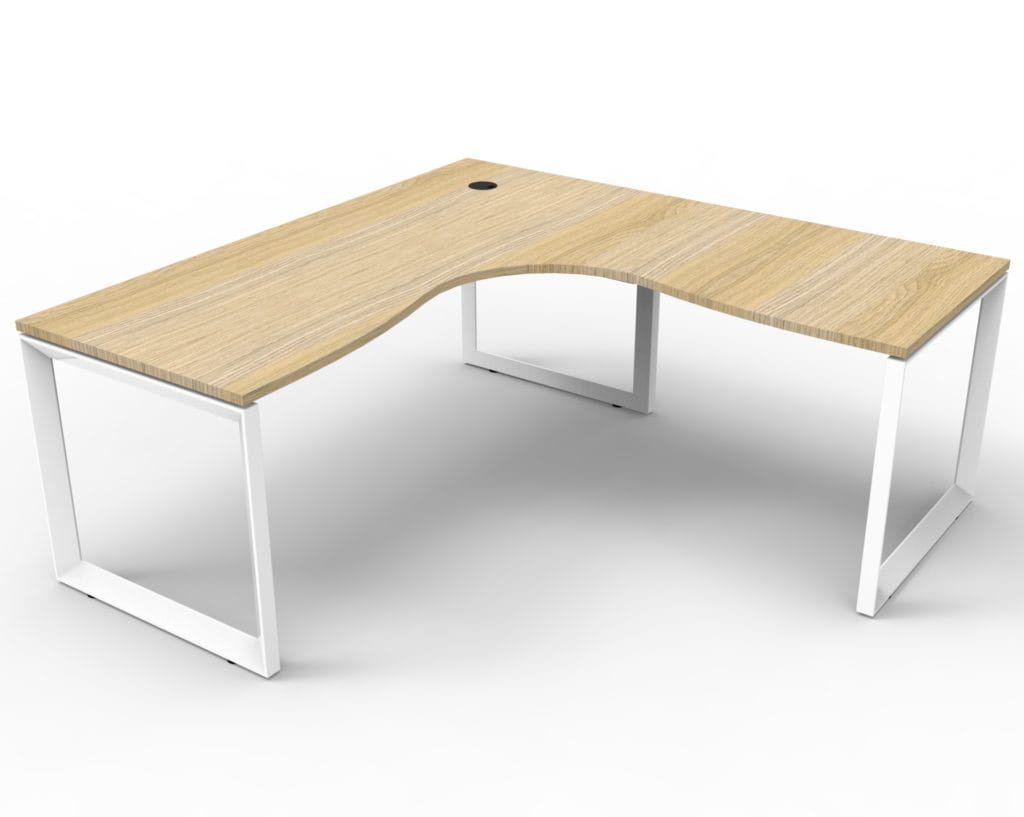
- Workstations and desks. Choosing between shared workstation systems, single desks, corner configurations, and height adjustable options depending on your mix of roles and focus work. If you are planning for smaller or irregular spaces, resources such as the best office desks for small spaces can help shape your preferences before you finalise a layout.
- Task seating. Matching ergonomic features to job types, so intensive computer users have the support they need. If you want to brief your preferences clearly, you can review articles such as best ergonomic office chairs and use those criteria as part of your fitout specification.
- Meeting and collaboration furniture. Selecting tables, chairs, lounges, and stools that fit the sizes and functions of your rooms without wasting floor area.
- Storage and filing. Designing a mix of cupboards, lockers, and shelving that supports real storage needs and reduces clutter in circulation zones.
Instead of buying items in isolation, you get a coordinated furniture package that fits your floor plate, supports your workflows, and lines up with your fitout budget tier, whether that is basic, mid range, or premium.
2. Professional Space Planning Advice
For most offices, the success of the fitout depends on layout quality. Richmond’s team helps you translate headcount and workstyles into a practical furniture plan that sits comfortably inside your tenancy.
This advice typically covers points such as:
- Workstation counts and positioning, based on your current team and realistic growth allowances.
- Circulation pathways, so people can move through the office without cutting through quiet rooms or bumping into meeting areas.
- Adjacency planning, placing teams and functions that interact frequently near each other to reduce friction in everyday workflows.
- Room sizing guidance, helping you avoid oversized meeting rooms and underused breakout spaces that drive up fitout cost without adding value.
Space planning support can be as simple as refining a plan you already have, or as involved as working from your base building drawings to identify how many workpoints and rooms you can support at a given comfort level.
3. Flexible Design Options For Different Budget Levels
Every business has a different appetite for spend per person. Richmond’s custom fitout service is built to flex around that reality.
Instead of a single high or low option, you can review structured choices along lines such as:
- Good, better, best furniture packages that align to basic, mid range, and premium fitout tiers. Each package maintains core ergonomics and durability, with different levels of finish and customisation.
- Targeted upgrades in priority zones. For example, higher specification furniture in reception and boardrooms, paired with more cost conscious selections in back of house areas.
- Staged rollouts, where you commit to a core order now to secure the key pieces and plan follow on orders as the business grows or as budget cycles allow.
This structure gives you control. You can see where every dollar goes, which items are non negotiable for comfort and compliance, and where you have room to scale features up or down.
4. Coordinated Delivery And Expert Installation
Ordering good furniture is only half the job. Getting it to site, assembled, and correctly positioned without disrupting your business is just as important.
Richmond’s fitout service includes practical support across the logistics side of your project.
- Delivery planning that respects building access rules, lift bookings, and your preferred working hours.
- Professional installation teams who assemble, level, and secure furniture properly so it is ready for immediate use.
- On site coordination to align furniture placement with your plans and services locations, which reduces the risk of desks covering power points or blocking access paths.
- Optional after hours installation for certain locations, drawing on practices similar to those outlined in the guide to after hours installation. This can minimise downtime in busy CBD tenancies.
For you and your team, that means less time managing deliveries, chasing installers, or moving furniture around after the fact.
5. Support That Keeps Your Fitout Aligned With Business Goals
An office is not static. Headcount changes, hybrid patterns evolve, and new functions appear. Richmond’s role does not stop when the last chair is unwrapped.
With a custom fitout relationship in place, you can return for:
- Top up orders of matching workstations, chairs, and storage as you hire. This keeps your office consistent instead of drifting into a mismatch of different models.
- Reconfiguration advice when teams shift. You can check how to rearrange existing furniture before you assume you need a full new round of purchases.
- Product care guidance so your furniture lasts as long as it should. If you want to put a basic care plan in place, the article on caring for commercial furniture is a useful reference.
- Future upgrade planning, so you can move selected areas toward mid range or premium specifications over time without disrupting daily operations.
The focus stays on practical, repeatable decisions that support your business plan, not one off purchases that are forgotten next financial year.
How Partnering With Richmond Simplifies Your Fitout Journey
From a project perspective, working with Richmond Office Furniture for orders above $1,500 gives you three clear advantages.
- One aligned partner for furniture and layout. You reduce the risk of gaps between design intent, furniture specification, and what actually turns up on site.
- Clearer budgeting. Structured packages and honest advice help you land on a furniture spend per person that fits within your overall fitout range, whether you are working in the basic, mid range, or premium band.
- Less internal load. Your team spends less time managing suppliers, chasing deliveries, and troubleshooting install issues, and more time focusing on core business.
If you already have a rough layout or fitout scope, Richmond’s custom service can plug in at the furniture stage and refine the details. If you are earlier in the process, the team can help you translate broad ideas into a workable plan and realistic furniture budget, starting from that $1,500 order threshold.
The bottom line, a custom furniture fitout with Richmond gives you a practical, guided path from blank floor plan to a fully furnished, functional Australian office that matches your budget and your goals.
Office Fitout Cost FAQ For Australian Businesses
This FAQ brings together the questions Australian business owners and office managers ask most often about office fitout costs. Use it as a quick reference as you shape your budget and brief.
What affects the final cost of an office fitout in Australia?
The three biggest cost drivers are usually:
- The size of your space, measured as usable office square metres, not the whole building title area.
- The budget tier you aim for, basic, mid-range, or premium, which determines the quality of finishes, furniture, and level of customisation.
- The amount of change to the existing base building, particularly services such as air conditioning, fire systems, and data cabling.
Other key factors include:
- Number and type of rooms, because every enclosed room adds partitions, doors, services, and fittings.
- Extent of custom joinery, such as bespoke reception desks, built in storage, and feature walls.
- Furniture specification, including how far you go with ergonomic chairs, sit stand desks, and premium meeting furniture.
- Building conditions and access, for example after hours work requirements or limitations on deliveries.
- Programme and lead times, because rush orders, last minute layout changes, and compressed timelines tend to increase cost.
The more you can define up front, the easier it is for suppliers to price accurately and keep your project inside the budget band you have set.
Are building regulations and approvals included in fitout costs?
They can be, but this is not automatic. You need to clarify it early with your designer, builder, or project manager.
Typical regulatory and compliance items include:
-
- Building approvals for layout changes, new partitions, or changes to fire and egress paths. <li
Compliance with Australian Standards and NCC requirements, especially for fire services, access, and emergency lighting.
- Base building requirements set out by the landlord or building manager, including any specific materials or services rules.
</li
When you review proposals, ask suppliers to confirm in writing whether their fee or quote:
- Includes preparation and submission of drawings and documentation for approvals.
- Covers coordination with building management and any required inspections.
- Allows for adjustments if regulators or building managers request changes.
If approvals sit outside the core fitout quote, allow a separate line in your budget so you are not scrambling for extra funds mid project.
How should I budget for hidden or unexpected costs?
Hidden costs usually are not truly hidden. They are items that were never scoped properly or were assumed to be included. You can reduce surprises by using a simple allowance framework.
Consider three types of allowance.
- Contingency allowance. A percentage buffer on top of the expected fitout cost to cover small variations, design tweaks, or minor site issues. Many businesses choose a contingency between [insert lower percentage] and [insert higher percentage] of the construction and furniture budget.
- Unknown conditions allowance. A specific sum to deal with issues that may appear when ceilings or floors are opened, for example rerouting unexpected services or improving subfloor conditions.
- Technology and AV allowance. A separate pot for audio visual equipment, screens, and meeting technology, which are often underestimated in early planning.
On top of those, list potential extras such as:
- Temporary decant spaces or swing areas for staff during construction.
- Storage or disposal costs for old furniture and fittings.
- Make good works in your current office if you are relocating.
By naming these items at the start and giving them provisional amounts, you avoid the shock of “unexpected” costs later. If some items are not needed, you can release those funds toward project enhancements or back into the business.
What really differentiates basic, mid-range, and premium fitout tiers?
The cost bands for each tier reflect consistent shifts in three areas.
- Quality and durability. Higher tiers use more robust materials, better hardware, and higher specification furniture that is designed to last longer.
- Level of customisation. Basic fitouts rely more on standard items and simple layouts. Premium fitouts include more bespoke joinery, tailored layouts, and integrated branding.
- Visual impact and experience. As you move up tiers you invest more in lighting, acoustics, finishes, and styling that shape how the office feels for staff and visitors.
A practical way to judge the tier is to ask three questions for each design decision.
- Is this item functional only, or is it also about brand and experience For example, a basic workstation versus a premium sit stand desk with integrated power and screens.
- Is there a standard, off the shelf alternative that would still work If yes and you still choose custom, you are likely moving into mid-range or premium territory.
- Will staff or clients notice the difference every day If the answer is yes, and it matters to your business positioning, that is usually a justified step up in tier.
You do not need to keep every line item locked to one tier. Many Australian offices sit at a mid-range base, with premium touches in reception and key meeting spaces, and a basic approach in storage or back of house areas.
How long does an office fitout usually take?
Timeframes vary based on scope, size, and the approvals required, but most projects run through three main phases.
- Planning and design. Briefing, test fits, layout development, furniture selection, and approvals. This can range from [insert short planning duration] for simple projects to [insert longer planning duration] for more involved ones.
- Procurement. Ordering furniture, finishes, and long lead items. Lead times vary by product and supplier, so this phase may overlap with approvals and early site preparation.
- Construction and installation. On site works for partitions, services, painting, flooring, and then furniture delivery and setup.
To keep your timeline realistic, ask every supplier for:
- A programme that shows key milestones, for example approvals, ordering deadlines, start on site, and move in date.
- Clarity on product lead times, especially for custom furniture or imported items.
- Assumptions about access, such as weekday work only or required after hours work.
A small but well planned fitout can sometimes be completed relatively quickly. Larger or more complex projects can span a much longer period. Planning ahead is the most reliable way to avoid rushed, expensive decisions near your target move in date.
Can workstations and other furniture be customised?
Yes, to varying degrees, and the level of customisation has a direct impact on cost and lead time.
Common customisation options include:
- Size and configuration, choosing between straight desks, corner workstations, back to back systems, and pod layouts.
- Worktop finishes, such as different colours or woodgrains that match your brand palette.
- Screen heights and materials, for privacy or acoustic performance between desks.
- Cable management and power access, including integrated cable trays, desk top power rails, or recessed boxes.
Beyond this, full custom joinery can deliver reception counters, storage walls, and built in seating that suit unique spaces or design intent.
If your office has tight room sizes or unconventional corners, you might also look at specialised layouts such as corner desks. Guides like discover the benefits of corner desks for small offices can help you understand where custom or semi custom workstation solutions add real value in smaller footprints.
To manage cost, use a tiered approach.
- Standardise most workstations using system furniture with a few configurable options.
- Reserve bespoke joinery for high impact zones such as reception or key client rooms.
- Limit the number of different colours and materials across the office.
This keeps your spend focused where customisation makes a genuine difference.
Should I treat furniture as part of the fitout budget or as a separate line?
You can do either, but it is usually smarter to track it as a clear category, even if you roll it up into one overall budget headline.
Reasons to treat furniture distinctly include:
- Per person comparison. You can compare spend per workstation or per person against internal guidelines.
- Lifecycle planning. Furniture often has a different replacement cycle compared with partitions or services, so it can be planned over a different timeframe.
- Supplier structure. Furniture may be supplied and installed by different vendors to the builder or fitout contractor.
When you track furniture as its own category, you can make deliberate choices such as spending a little less on decorative elements and more on ergonomic chairs. If you want practical criteria to guide those choices, resources such as how to choose ergonomic office chairs provide a useful checklist you can fold into your fitout brief.
Are ongoing maintenance and operational costs part of fitout planning?
They often are not, and that is where businesses miss an important piece of the picture. Your fitout affects not only the upfront project spend but also your operating costs for the life of the lease.
Areas to consider in your planning include:
- Cleaning and upkeep of flooring, fabrics, and surfaces. Some finishes are cheaper to maintain and more tolerant of wear than others.
- Replacement cycles for high use items such as chairs, task lights, and technology. Better quality can mean fewer replacements over time.
- Energy use for lighting and HVAC, particularly if you choose efficient systems and controls in the fitout design.
- Reconfiguration costs when teams grow or layouts change. Modular furniture and flexible services layouts can reduce the cost of future changes.
When you assess options, ask suppliers to comment on typical maintenance needs and expected lifespans, not just upfront purchase prices. This helps you differentiate between solutions that only look affordable initially and those that stay economical over the full term of your lease.
What can I do if my initial quotes are higher than my budget?
First, avoid reacting by asking every supplier to cut costs across the board. A targeted approach gives you better results.
Use this simple process.
- Check scope alignment. Confirm that all quotes are pricing the same areas, room counts, and inclusions. Remove or add items for a fair comparison.
- Revisit your must have, should have, and nice to have lists. Strip out or stage the lower priority items, especially in decorative categories and non critical custom joinery.
- Review partition and room counts. Reducing a few rooms or simplifying wall types often has a significant cost impact.
- Step down a tier in selected categories. For example, keep mid-range furniture but choose more basic finishes in back of house areas.
- Ask suppliers for value engineering options. Request specific suggestions on where they can offer alternatives that maintain function and compliance at a lower cost.
If your budget still cannot support the scope of work, you may need to consider staging the fitout into phases, or adjusting expectations about the target tier. Early, honest alignment across your internal stakeholders is the best way to avoid friction when these decisions arise.
How can I tell if a fitout quote is complete and comparable?
Use a structured checklist and apply it to each quote in the same way. At minimum, confirm that every proposal covers these items clearly.
- Scope description that lists all rooms and areas included.
- Key categories, furniture, partitions, flooring, lighting, services, and decoration or branding.
- Allowances and exclusions, including approvals, make good, temporary works, and technology or AV.
- Assumptions about access and working hours, for example standard hours versus after hours works.
- Programme outline with key dates for design, approvals, ordering, fitout works, and installation.
If two quotes differ significantly in price, look for missing categories, low allowances, or unrealistically short timelines. Ask clarifying questions before you decide that one supplier is more expensive. In many cases, the higher number comes from including items that another bidder has left out or pushed into vague provisional sums.
Can I reuse existing furniture to reduce fitout costs?
Yes, and it is often a sensible way to protect your budget. The key is to be selective, not to drag every old piece into a new space.
Assess existing furniture through three filters.
- Condition. Only keep furniture that is structurally sound and presents well enough for your new brand standard.
- Compatibility. Check whether pieces fit the new layout, desk heights, and technology setup.
- Ergonomic performance. Chairs and desks that contribute to discomfort are usually not worth keeping, even if they appear to save money upfront.
Retaining selected storage units, some meeting tables, or reception seating can free more of your budget for higher quality workstations and chairs where staff spend most of their day. Work with your furniture partner to confirm which existing pieces integrate cleanly with new systems and which should be retired.
How early should I involve furniture specialists like Richmond Office Furniture?
Bring furniture specialists in as soon as you have a draft layout or even a clear headcount and space plan. Waiting until construction is nearly complete can limit your options and lead to compromises.
With early involvement, a supplier such as Richmond Office Furniture can:
- Help refine workstation counts and configurations that match your budget tier.
- Flag layout issues that may cause clashes with power, data, or circulation paths.
- Recommend furniture systems that support future reconfiguration without major cost.
- Align product lead times with your target move in date.
The earlier you get aligned advice, the smoother your fitout budget, timeline, and final workspace will be.
Conclusion & Next Steps For Your Office Fitout
You now have the core pieces you need to budget an office fitout in Australia with confidence. You understand typical cost ranges per square metre for basic, mid-range, and premium fitouts, how those tiers differ in practice, how costs break down across major categories, and the levers you can pull to keep spend under control.
The real advantage is not just knowing the numbers. It is knowing how to use them.
When you combine clear cost ranges, a category based budget, and practical cost saving tactics, you move from guesswork to informed decisions. You can assess quotes on equal terms, protect your must have inclusions, and choose where to invest in staff comfort and brand impact without blowing the budget.
Why clarity on cost and scope matters
Australian fitouts tend to go off track when three things are missing, a realistic cost band, a detailed category breakdown, and a simple prioritisation framework. This guide has given you all three.
- Per square metre ranges for basic, mid-range, and premium fitouts help you set a realistic overall band before you start design.
- Category breakdowns for furniture, partitions, flooring, lighting, services, and decoration give you visibility on where your money goes.
- Cost saving tactics, such as simplifying partitions, standardising finishes, staging works, and reusing selectively, help you adjust the scope without undermining function.
With those tools in place, you can have direct, informed conversations with landlords, designers, builders, and furniture suppliers instead of reacting to every new number that appears.
Turn what you have learned into an action plan
To move from theory to a live project, follow this simple next step framework. Treat it as a checklist you can work through with your internal stakeholders.
- Confirm your space size and target tier. Lock in your usable office area and choose whether your baseline is basic, mid-range, or premium. Use the relevant per square metre range as your planning band.
- Draft a space needs summary. List team numbers, workstyles, and special requirements. Include meeting room needs, storage, breakout areas, and any specific technology or equipment.
- Build your must have, should have, nice to have lists. Apply this across each budget category, furniture, partitions, flooring, lighting, services, and decoration. This is what keeps your scope under control when quotes arrive.
- Allocate a rough budget per category. Use the guidance ranges in this guide to decide how much of your headline budget goes to furniture, construction, and services. This makes it easier to see where quotes are heavy or light.
- Decide where you want premium touches. Nominate key zones for higher specification finishes or furniture, usually reception, main meeting rooms, or priority collaboration spaces, and commit to a simpler approach elsewhere.
Once you have those five items written down, you are ready to start meaningful conversations with fitout professionals and suppliers.
When to involve Richmond Office Furniture
If your project involves new furniture and you expect to spend at least $1,500 in this category, it is worth bringing Richmond Office Furniture into the picture early. The custom fitout service is built for exactly the type of decisions you are making.
By involving a furniture specialist at the concept stage, you can:
- Refine workstation counts and layouts so they match your budget band and lease term.
- Choose ergonomic seating and desks that support staff productivity without over specifying every piece.
- Standardise furniture systems to reduce cost and make future growth or reconfiguration simpler.
- Align furniture lead times with your construction programme and intended move in date.
If you want to explore how desk choice can influence both productivity and budget, you can review resources such as guides on choosing the right desk for your office before you finalise your brief.
Practical next steps you can take this week
You do not need to solve the entire fitout in one meeting. Focus on three practical actions in the short term.
- Align internally on budget and tier. Share the cost bands within your leadership or project group and agree on a target range and tier. This prevents scope creep before you have even started.
- Shortlist fitout and furniture partners. Identify designers or builders for the construction side and a dedicated furniture specialist for workstations, seating, and meeting spaces. Richmond Office Furniture can fill that furniture role for orders over $1,500.
- Prepare a structured brief. Combine your space needs, category budgets, and priority lists into a short written document. Use it as the basis for all early meetings and quote requests.
Those three steps alone will put you ahead of many projects that start with vague ideas and end in stressed deadlines and stretched budgets.
Reach out for tailored advice and quotes
Your business, lease, and culture are unique, so your fitout should reflect that. Use the frameworks in this guide as your base, then work with experienced suppliers to translate them into a specific plan and quote package.
If you are ready to move from planning into action, start with a conversation.
Collect your floor area, rough headcount, preferred tier, and any sketches or previous layouts you have. Then reach out to fitout specialists and to a furniture partner such as Richmond Office Furniture for:
- Indicative budgets that reflect your real constraints and goals.
- Advice on where to invest and where to hold back inside your chosen cost band.
- Clear, written quotes that follow the category structure you now understand.
If you prefer to explore furniture options and pricing first, you can browse the product ranges and request a tailored quote through the Richmond Office Furniture online shop or dedicated quote request pages.
You do not have to navigate office fitout costs alone. With a grounded understanding of pricing tiers, a clear breakdown by category, and support from professionals who work in this space every day, you can deliver a functional, attractive Australian office that respects both your budget and your long term business goals.

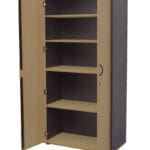
 Office Cupboards