







Uncategorized
Office Furniture Buying Mistakes That Are Killing Workplace Productivity
Why Office Furniture Choices Matter More Than You Think
When businesses think about improving productivity, they often focus on strategy, tools, or team performance. What many overlook is something far more fundamental—the furniture people use every day. Office furniture isn’t just about filling a space; it directly shapes how employees feel, move, and work throughout the day. A poorly planned workspace can quietly reduce efficiency, create discomfort, and even affect morale. The problem is that these issues don’t always show up immediately. Instead, they build over time, slowly impacting focus and performance. Understanding the common mistakes businesses make when buying office furniture is the first step toward creating a more productive environment.
Choosing Price Over Value
One of the most common mistakes businesses make is prioritizing cost over long-term value. It’s easy to be drawn to cheaper options, especially when setting up or upgrading an office. However, low-cost furniture often comes with hidden drawbacks that only become apparent after regular use. Furniture that lacks durability or proper support tends to wear out quickly, leading to frequent replacements and ongoing frustration. Over time, this not only increases costs but also disrupts workflow. More importantly, employees who are uncomfortable or constantly adjusting their setup are less likely to stay focused on their work. Investing in quality furniture may seem like a larger upfront decision, but it creates a more stable and reliable workspace that supports productivity in the long run.
Ignoring Ergonomics Completely
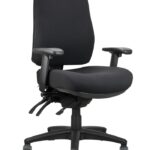
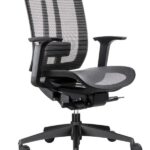
Another major mistake is overlooking ergonomics. Many businesses assume that any chair or desk will do the job, but the reality is quite different. Without proper ergonomic support, employees are more likely to experience discomfort during the workday. This discomfort doesn’t just affect physical well-being; it also impacts concentration. When someone is constantly shifting in their seat or dealing with strain, their attention naturally moves away from their tasks. Over time, this can lead to reduced efficiency and even increased absenteeism. Ergonomics is not a luxury, it’s a necessity. A well-designed chair, an appropriately sized desk, and proper screen positioning can make a noticeable difference in how people perform their work.
Buying Without Understanding Workspace Needs
Every business operates differently, yet many companies make the mistake of choosing furniture without considering how their teams actually work. A one-size-fits-all approach rarely leads to a productive setup. For example, a workspace designed for collaboration will have very different requirements compared to one focused on individual tasks. Without understanding these needs, businesses often end up with layouts that create confusion rather than efficiency. Taking the time to analyze workflows and daily routines helps ensure that the furniture supports, rather than hinders, the way work gets done.
Overcrowding the Office Space
It’s natural to want to maximize the use of available space, but overcrowding an office can have the opposite effect. When too much furniture is packed into a limited area, it restricts movement and creates a sense of clutter. A crowded environment can feel overwhelming, making it harder for employees to stay focused. It can also lead to practical issues, such as difficulty accessing workstations or navigating the office comfortably. A well-designed workspace prioritizes balance. It ensures that there is enough room for movement while still maintaining functionality. This creates a more open and comfortable environment that supports productivity.
Focusing Only on Aesthetics
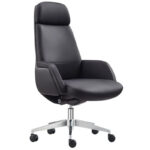
Design plays an important role in creating a professional and appealing office, but focusing solely on aesthetics can lead to poor decisions. Furniture that looks good but lacks functionality often becomes a source of frustration. Employees need furniture that works as well as it looks. A stylish desk that doesn’t provide enough space or a visually appealing chair that lacks support can quickly become impractical. The most effective office environments strike a balance between design and usability. When both elements work together, the result is a workspace that is not only visually appealing but also highly functional.
Neglecting Flexibility and Future Growth
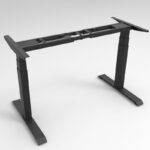
Another common mistake is choosing furniture that only fits current needs without considering future changes. Businesses evolve, teams grow, and work styles shift. A rigid setup can quickly become outdated. Flexible furniture solutions allow businesses to adapt without starting from scratch. Adjustable desks, modular layouts, and multi-purpose pieces make it easier to reconfigure the workspace as needed. Planning for flexibility ensures that the office remains efficient and relevant over time, reducing the need for constant adjustments or replacements.
Overlooking Storage Solutions
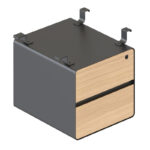
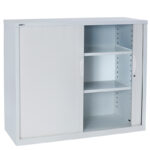
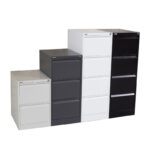
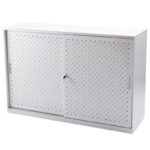
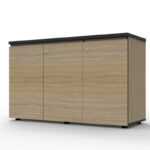
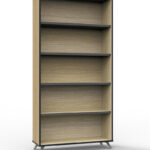
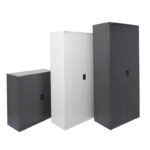
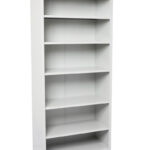
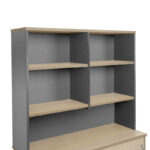
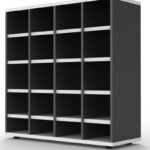
Storage is often treated as an afterthought, but it plays a crucial role in maintaining an organized workspace. Without adequate storage, desks become cluttered, and important items are harder to locate. A disorganized environment can slow down workflow and create unnecessary distractions. Employees spend more time searching for what they need instead of focusing on their tasks. Thoughtful storage solutions help keep the workspace clean and efficient. When everything has a designated place, it becomes easier to maintain order and stay productive.
Skipping Professional Guidance
Many businesses try to handle office setup decisions on their own, assuming it will save time or money. However, without proper expertise, this approach can lead to costly mistakes. Professional guidance can provide valuable insights into layout planning, furniture selection, and overall workspace design. Experts understand how to create environments that support both functionality and comfort. By seeking guidance, businesses can avoid common pitfalls and create a workspace that truly meets their needs. Office furniture has a far greater impact on productivity than most businesses realize. The mistakes made during the buying process often go unnoticed at first, but their effects become clear over time. From discomfort and clutter to inefficiency and frustration, the consequences can quietly undermine workplace performance. The good news is that these mistakes are entirely avoidable. By focusing on value, prioritizing ergonomics, understanding workspace needs, and planning for flexibility, businesses can create environments that support both their teams and their goals. A well-designed office isn’t just a place to work, it’s a space that enables people to do their best work every day.

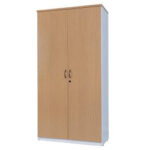 Office Cupboards