















Uncategorized
Standing Desk vs Sitting Desk: Real Productivity Insights You Should Know
Understanding the Modern Workspace Debate
The conversation around standing desks versus sitting desks has become increasingly common in modern workplaces. What was once a simple choice—pick a desk and start working—has now turned into a deeper discussion about productivity, comfort, and long-term well-being. Businesses and individuals alike are beginning to question whether the traditional sitting setup is still the best option or if standing desks truly offer a meaningful advantage. This shift in thinking reflects a broader change in how workspaces are designed. Today, it’s no longer just about filling a room with furniture; it’s about creating an environment that supports focus, energy, and efficiency throughout the day. As a result, the debate between standing and sitting desks is less about which one is better and more about how each option fits into a productive work routine.
The Traditional Sitting Desk Experience
For many people, the sitting desk remains the default choice. It feels familiar, comfortable, and easy to adapt to, especially for tasks that require extended focus. Sitting allows the body to relax, making it easier to stay engaged with detailed work such as writing, designing, or analyzing information. However, the challenge with prolonged sitting is that it can lead to a gradual drop in energy levels. Over time, staying in the same position can create physical discomfort and mental fatigue. This doesn’t happen immediately, which is why it often goes unnoticed, but it can quietly affect productivity in subtle ways. Despite these concerns, sitting desks still play an important role in the workplace. They provide stability and are often better suited for tasks that require precision and minimal movement. The key issue is not the desk itself, but how long it is used without variation.
The Rise of Standing Desks
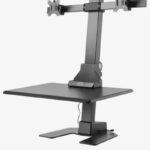
Standing desks have gained attention as an alternative that encourages movement and breaks the monotony of sitting. The idea is simple: by standing while working, the body remains more active, which can help maintain energy levels and improve overall alertness. Many users report feeling more engaged when using a standing desk, particularly during tasks that involve communication, brainstorming, or quick decision-making. Standing naturally promotes better posture and can create a sense of momentum, making it easier to stay focused during certain types of work. That said, standing for long periods is not without its challenges. Just like sitting, it can become uncomfortable if overdone. Without proper support or variation, standing can lead to fatigue, which may eventually reduce productivity rather than enhance it.
Productivity: What Really Makes the Difference
When comparing standing desks and sitting desks, the most important factor is not the desk itself but how it is used. Productivity is influenced by a combination of physical comfort, mental focus, and the ability to maintain consistent energy levels throughout the day. A sitting desk can support deep concentration, especially during tasks that require careful attention. On the other hand, a standing desk can boost engagement and reduce the sluggishness that sometimes comes with long hours of sitting. Each option offers its own advantages, but neither is a complete solution on its own. The real insight here is that productivity improves when there is a balance between the two. Alternating between sitting and standing allows the body to stay comfortable while keeping the mind active. This variation helps prevent fatigue and supports a more sustainable workflow.
How Different Tasks Influence Desk Choice
Not all work is the same, and this plays a significant role in choosing between standing and sitting. Tasks that require creativity, collaboration, or quick thinking often benefit from a standing position. The act of standing can create a sense of energy that encourages idea generation and active participation. In contrast, tasks that demand focus, precision, or long periods of concentration are often better suited to a sitting position. Sitting provides stability and reduces physical strain, making it easier to stay immersed in detailed work. Understanding the nature of your work can help you decide when to stand and when to sit. Instead of choosing one over the other, the goal should be to use both strategically throughout the day.
The Role of Ergonomics in Productivity
Regardless of whether you choose a standing desk or a sitting desk, ergonomics plays a critical role in maintaining productivity. A poorly adjusted desk can lead to discomfort, which quickly becomes a distraction. For sitting desks, this means ensuring proper chair support, desk height, and screen positioning. For standing desks, it involves maintaining a natural posture, using supportive footwear, and keeping the screen at eye level. When the workspace is set up correctly, both standing and sitting can be comfortable and effective. Without proper ergonomics, even the best desk choice can fall short.
Finding the Right Balance
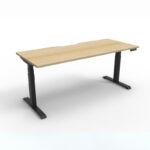
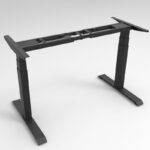
The most productive workspaces are not defined by a single type of desk but by their ability to adapt to different needs. Businesses and individuals are increasingly recognizing the value of flexibility, which is why adjustable desks are becoming more popular. These desks allow users to switch between sitting and standing with ease, creating a dynamic work environment that supports both comfort and efficiency. This approach aligns with the idea that productivity is not about staying in one position but about maintaining a rhythm that keeps both the body and mind engaged.
What This Means for Modern Workspaces
For businesses, the choice between standing and sitting desks is no longer about selecting one option over the other. It’s about creating a workspace that supports different working styles and encourages movement throughout the day. Employees who have the freedom to adjust their work environment are more likely to stay comfortable and focused. This flexibility not only improves individual performance but also contributes to a more positive workplace experience overall. In this context, office furniture becomes more than just a functional necessity, it becomes a tool for enhancing productivity and well-being. The debate between standing desks and sitting desks is not about finding a clear winner. Both have their strengths, and both can support productivity when used correctly. The key lies in understanding how each option fits into your work routine and using them in a way that complements your tasks. Rather than choosing one over the other, the most effective approach is to create a balance. By alternating between sitting and standing, you can maintain comfort, sustain energy levels, and improve focus throughout the day. In the end, productivity is not determined by the type of desk you use but by how well your workspace supports the way you work.

 Office Cupboards