


Uncategorized
What Australian Businesses Prefer in Office Fitouts
The Shift Toward Purpose-Driven Workspaces
Australian businesses are moving away from traditional office setups and embracing workspaces that serve a clear purpose. Instead of filling a room with desks and chairs, the focus has shifted to creating an environment that supports how teams actually work. There is a growing awareness that a well-designed workspace can influence mood, focus, and overall performance. Business owners are now thinking beyond appearance and asking how each element of the office contributes to daily operations. This mindset has transformed office fitouts into strategic investments rather than routine purchases.
Functionality as the Foundation
Design That Supports Daily Work
One of the most noticeable preferences among Australian businesses is the importance of functionality. A workspace must operate smoothly without creating friction in everyday tasks. Furniture is chosen not just for its look, but for how well it integrates into workflows. For example, desks are expected to provide enough space for multitasking, while storage solutions are designed to keep the workspace organized and clutter-free. The goal is to create an environment where employees can focus on their work without distractions caused by poor design.
Adaptability and Flexibility
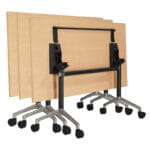
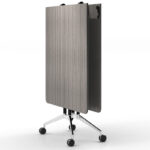
Modern offices are rarely static. Teams collaborate, shift roles, and adapt to changing demands, which means the workspace must be equally flexible. Businesses are increasingly choosing modular furniture and layouts that can be easily adjusted as needs evolve. This preference for adaptability allows companies to future-proof their offices, ensuring that the space remains relevant even as the business grows or changes direction.
Prioritizing Employee Comfort and Well-Being
Ergonomic Solutions for Everyday Use
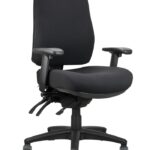
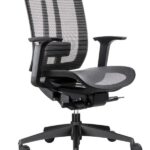
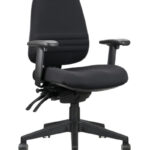
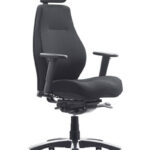
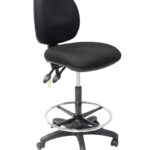
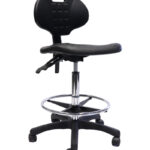
Comfort has become a central focus in office fitouts, particularly when it comes to seating and desk design. Australian businesses recognize that employees spend a significant portion of their day at their desks, and discomfort can quietly impact productivity. Ergonomic chairs, adjustable desks, and supportive accessories are no longer optional—they are essential. These choices reflect a deeper understanding of how physical well-being affects performance and job satisfaction.
Creating a Positive Work Environment
Beyond physical comfort, businesses are also considering the overall atmosphere of the workspace. Lighting, spacing, and layout all play a role in shaping how employees feel throughout the day. A well-thought-out office doesn’t just look good; it feels inviting and energizing. This emotional aspect of design is becoming increasingly important as companies strive to create workplaces where people genuinely enjoy spending time.
Aesthetic Simplicity with Purpose
Clean and Professional Design Choices
Australian offices often favor clean, minimal designs that convey professionalism without being overwhelming. Neutral colors, simple lines, and uncluttered spaces are commonly preferred because they create a sense of calm and focus. Rather than chasing trends, businesses tend to choose timeless designs that remain relevant over time. This approach ensures that the workspace continues to look polished without requiring frequent updates.
Reflecting Brand Identity
At the same time, there is a growing desire to align office design with brand identity. Whether it’s a corporate environment or a creative studio, the workspace should communicate the company’s values and culture. This doesn’t require dramatic design elements. Even subtle choices in layout, color, and materials can reinforce a brand’s personality and create a cohesive experience for both employees and visitors.
Maximizing Space Efficiency
Space utilization is another key consideration, especially in areas where office space comes at a premium. Businesses are focused on making the most of every corner without making the environment feel cramped. Smart storage solutions, compact furniture, and thoughtful layouts help achieve this balance. Additionally, there is a preference for combining open collaboration areas with quieter zones, allowing employees to switch between teamwork and focused work as needed. This hybrid approach reflects the reality of modern work, where flexibility and variety are essential.
Long-Term Value Over Short-Term Savings
Australian businesses tend to prioritize durability and reliability when investing in office furniture. Instead of opting for cheaper options that may need frequent replacement, there is a clear preference for products that offer long-term value. High-quality materials, sturdy construction, and low-maintenance designs are key factors in decision-making. This approach not only reduces long-term costs but also ensures a consistent and professional appearance within the workspace.
The Growing Role of Sustainability
Sustainability is becoming an important consideration in office fitouts. Businesses are increasingly aware of the environmental impact of their choices and are looking for ways to reduce it. This includes selecting furniture made from responsibly sourced materials, as well as choosing products designed for longevity. By focusing on sustainable options, companies are not only contributing to environmental responsibility but also enhancing their brand image.
The Importance of a Seamless Fitout Experience
Beyond the physical aspects of furniture and design, businesses value a smooth and hassle-free fitout process. Coordinating multiple suppliers can be time-consuming and complex, so there is a strong preference for providers who offer end-to-end solutions. From planning and design to delivery and installation, a streamlined approach saves time and ensures consistency. Additionally, businesses appreciate expert guidance throughout the process, especially when making decisions about layout and product selection. A well-managed fitout experience can significantly influence overall satisfaction, making it a crucial factor in choosing a supplier.
Office fitouts in Australia have evolved into something much more meaningful than simple workspace setup. They are now a reflection of how businesses operate, how they value their employees, and how they present themselves to the world. The preferences are clear, functionality, comfort, flexibility, and long-term value are at the core of every decision. Aesthetic appeal and sustainability add further depth, while a seamless execution process ensures everything comes together smoothly. For businesses looking to create impactful workspaces, the key lies in balancing practicality with purpose. When done right, an office fitout doesn’t just support work—it enhances it in ways that are both visible and deeply felt.

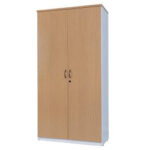 Office Cupboards